
If you’ve ever typed “savefrom” or “SaveFrom.net” after copying a video link, you’re probably trying to save a clip for later. In this guide, we’ll walk through what SaveFrom actually is, how it fits into the video downloader world, and how to use tools like it safely, legally and responsibly without getting yourself into trouble.
What is SaveFrom and how does it work?
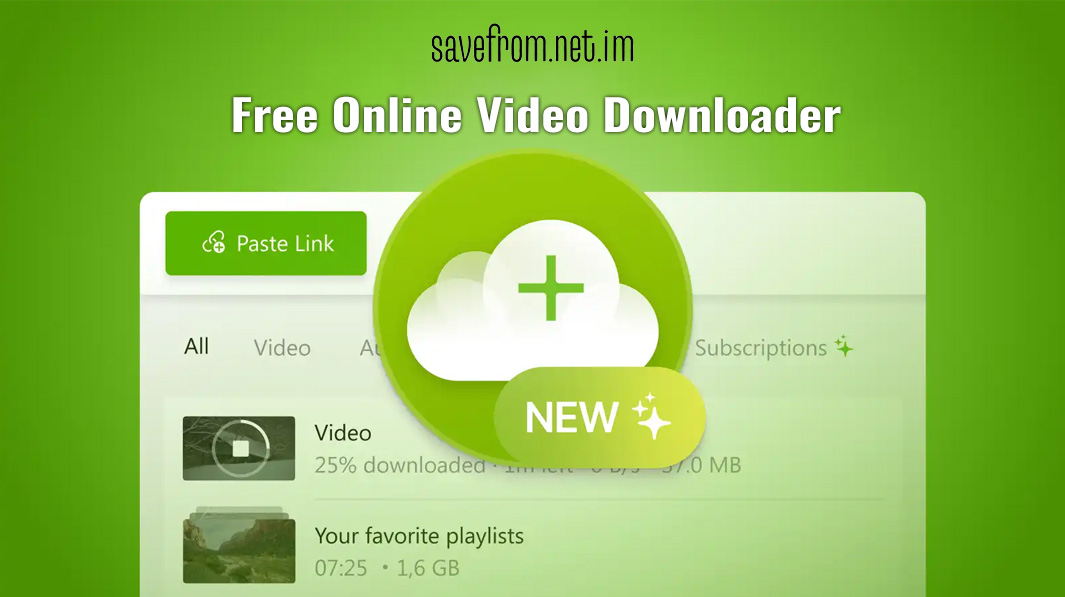
SaveFrom (often known as SaveFrom.net) is an online video downloader that lets you grab videos or audio from popular sites by pasting a link and choosing a format, mainly for offline viewing of content you’re allowed to download.
In simple terms, think of SaveFrom as a file downloader for online videos:
- It’s usually accessed via a website, a helper extension, or a mobile/desktop app.
- You paste a URL from a supported site (for example: YouTube, Facebook, TikTok, Instagram, Vimeo, etc.).
- The tool analyzes the link and shows you several MP4 downloader options (and sometimes audio-only formats).
- You choose quality and format, then download the file for offline use.
Because of this, people often treat SaveFrom as an “all video downloader” that works across multiple platforms, not just a simple YouTube video downloader.
“Tools like SaveFrom sit in a weird space between convenience and compliance. They’re incredibly handy, but you really have to know when you’re allowed to use them and when you’re not.”
— Laura Bennett, digital media lawyer
Is using SaveFrom legal?
Using SaveFrom sits in a legal gray area. Downloading videos can breach platform terms of service and, if the video is copyrighted and you lack permission, may infringe copyright. Limiting downloads to your own or clearly licensed content is safer.
Here’s the key point: there’s a big difference between “possible” and “allowed.”
Most major platforms (especially YouTube) state in their Terms of Service that you cannot download content unless:
- The platform itself provides a download button or feature, or
- You have explicit permission from the rights holder.
Legal experts generally agree on a few things:
- Downloading copyrighted videos without permission is often a breach of the platform’s rules and can, in some cases, be copyright infringement.
- Some “stream-ripping” services have already been taken down or sued for enabling mass copyright violations, which shows how seriously the industry treats this.
So what is typically safer?
- Your own uploads (e.g., your YouTube channel videos).
- Videos clearly marked as public domain or under permissive licenses (for example, some Creative Commons content).
- Content where the creator explicitly allows downloading.
“The safest rule of thumb is simple: if you wouldn’t feel comfortable telling the creator you downloaded their video, you probably shouldn’t be doing it.”
— Laura Bennett, digital media lawyer
Is SaveFrom safe to use?
SaveFrom itself is widely used, but safety depends on where you access it, which ads you click, and what files you download. Fake clones and bundled software mean you should use antivirus protection and plenty of caution.
In practice, there are a few safety layers to think about:
- Lookalike domains & clones – Some sites mimic SaveFrom to push adware or malicious downloads.
- Aggressive advertising – Pop-ups and “fake download buttons” can lead to unwanted software if you click the wrong thing.
- Bundled installers – Some apps or “helpers” may come with extra programs you didn’t really ask for.
- File risk in general – Any downloaded file can, in theory, contain malware, so scanning is a must.
Independent reviews of SaveFrom-style tools regularly highlight both their convenience and these safety concerns, and often suggest using trusted alternatives or desktop software with better reputations.
“The real risk isn’t usually the downloader itself, it’s the shady ads and fake buttons that pop up around it. One wrong click and you’ve installed something you never wanted.”
— James Walker, cybersecurity analyst
When does using SaveFrom actually make sense?
Used carefully and within legal boundaries, SaveFrom or similar video downloader tools can help in situations like:
- Backing up your own content. You lost the original file but still have the video on YouTube, Facebook, or another platform.
- Working with licensed clips. Your company owns the rights to the videos and you’re downloading them for editing or archiving.
- Educational or training use (with permission). A teacher or organization has permission to distribute materials offline.
- Short-term offline access. You have explicit permission to watch and store content for a trip or a presentation.
“For brands and creators, a downloader is just a utility. The important question isn’t how you download a file, it’s whether you’re entitled to have that file in the first place.”
— Olivia Carter, video marketing consultant
How to use SaveFrom responsibly (high-level overview)
Not legal advice, just practical guidance to stay on the safe side.
- Check your rights first. Make sure the video is yours, clearly free to download, or you have written permission from the rights holder.
- Use a trusted entry point. Avoid random ads or “download now” banners. Type the address yourself or use a trusted bookmark, and beware of similar-looking domains.
- Paste the link carefully. If the tool asks for a URL, double-check that it’s the correct video and the correct site, such as the official YouTube or Facebook address.
- Choose modest quality and formats. If given options, select only what you truly need, like a single MP4 file. More files mean more risk and more storage usage.
- Scan every file. Before you open or share anything, run a virus or malware scan. This step is especially important on Windows and Android devices.
- Store and share responsibly. Keep downloaded videos in clearly labeled folders and avoid re-uploading anything you don’t fully own or control.
“I mainly use SaveFrom to archive my own livestreams before I cut them into shorter clips. It’s quick, but I always double-check links and scan every file.”
— Daniel Reed
SaveFrom, YouTube Premium and other tools: quick comparison
Here’s a simple comparison to put SaveFrom in context with other popular approaches:
| Method / Tool | Type | Best for | ToS / Legal Position* | Pros | Cons |
|---|---|---|---|---|---|
| SaveFrom / SaveFrom.net | Online / app downloader | Downloading allowed or owned videos from many sites | Often conflicts with major platforms’ ToS if used on copyrighted content you don’t own | Free, multi-site, quick “download from YouTube” style usage | Legal gray area, safety concerns, heavy ads, clones |
| YouTube Premium | Official subscription | Offline viewing of YouTube content inside app | Fully within YouTube’s Terms of Service | Legal, simple, ad-free viewing, background play | Files stay inside YouTube; not a true MP4 downloader |
| Desktop video downloaders (reputable apps) | Installed software | Power users who need specific formats or batch downloads | Similar legal gray area if used on content without rights | More control, often fewer sketchy ads | Requires installation; still must respect copyright |
| Built-in “Download” or “Save” buttons on platforms | Native feature | Simple offline use within that platform | Designed to comply with each platform’s rules | Safest choice, minimal hassle | Usually limited, no separate file, platform-bound |
*Always check local laws and each platform’s Terms of Service. This table is a simplified view, not legal advice.
Practical safety tips for any video downloader
To keep yourself and your devices safer, treat SaveFrom like any other video downloader app:
- Stick to HTTPS. Make sure the address bar shows a secure connection that starts with https://.
- Avoid suspicious pop-ups. If a window suddenly tells you to “update your player” or “install a special codec,” close it.
- Never disable your antivirus. If a download only works when you turn off protection, that’s a huge red flag.
- Keep your browser and OS updated. Updates often patch security holes that malicious sites try to exploit.
- Test on non-critical devices first. If you’re unsure about a tool, try it on a secondary device, not your main work laptop.
- Don’t log in where you don’t need to. A downloader should not need your social media or Google password just to fetch a public video.
Who typically uses SaveFrom (and who shouldn’t)?
People who might reasonably use SaveFrom or similar tools:
- Creators and editors downloading their own uploads.
- Social media managers collecting licensed clips for campaigns.
- Teachers, trainers, and event hosts working with content they have permission to distribute.
- Regular users downloading public domain or openly licensed videos.
People who really shouldn’t rely on SaveFrom:
- Anyone trying to build a movie library out of copyrighted films or shows they don’t own.
- People who think “if it’s on the internet, it must be free.”
- Users who are uncomfortable managing things like antivirus, browser security, and file scanning.
“Think of a downloader like a power tool. In the right hands and the right situation, it’s brilliant. In the wrong context, it can cause real damage—legally and technically.”
— James Walker, cybersecurity analyst
Conclusion: Make SaveFrom work for you, not against you
SaveFrom and similar video downloader tools are undeniably convenient. They can help you download video files, back up your own content, and manage media more flexibly across platforms like YouTube, Facebook, and TikTok. But convenience doesn’t erase risk.
If you decide to use any SaveFrom app, SaveFrom Net Facebook helper, or “download from YouTube” service, keep three rules in mind:
- Only download what you’re genuinely allowed to download.
- Treat every file and every button with healthy suspicion.
- Prefer official options (like YouTube Premium’s offline mode) when they meet your needs.
Used within those boundaries, savefrom can be part of a smart, efficient media workflow instead of a shortcut to legal or security headaches.
FAQ about SaveFrom (savefrom)
1. Is SaveFrom legal to use?
SaveFrom itself is just a tool, but how you use it can be legal or illegal. Downloading videos you don’t own or don’t have permission to save can violate platform rules and copyright laws. Always check local law and each site’s Terms of Service.
2. Is SaveFrom safe, or will it give me a virus?
SaveFrom-style services can be safe if you use the real site or app, avoid fake “download” buttons, and scan files. The biggest risks come from malicious ads, clones, and bundled installers, not from the idea of a video downloader itself.
3. Why is SaveFrom not working for me?
There are a few common reasons SaveFrom might not work:
- The platform you’re using, like YouTube, has changed its code.
- Your browser or security software is blocking scripts or pop-ups.
- The exact domain or extension you’re using is outdated or disabled in your region.
Trying a different browser, clearing the cache, or checking the tool’s official help pages often solves basic issues.
4. Do I need a SaveFrom app, or is the website enough?
For many people, the web version is plenty. Some prefer a SaveFrom app or browser helper for one-click access, but that also means installing extra software and accepting more security responsibility. If you’re not tech-savvy, sticking to the browser is usually safer.
5. Can SaveFrom download videos from any website?
No. SaveFrom supports many websites, such as YouTube, Facebook, Instagram, and TikTok, but not everything on the internet is supported. Platforms sometimes change things to break downloaders, and if a site has strict DRM or protections, SaveFrom may not work there.
6. What are some safer or more compliant alternatives to SaveFrom?
- YouTube Premium for legal offline YouTube viewing.
- Official download or “Save” features on platforms that provide them.
- Reputable desktop tools used only for content you’re permitted to handle.
- Direct downloads from the creator, such as Patreon posts, course platforms, or official websites.
7. Can I use SaveFrom to download music videos and share them?
Generally, no — not legally. Music videos are almost always heavily protected copyrighted content. Downloading them and then re-uploading or sharing them, especially publicly, is usually a clear violation of copyright and platform rules, even if SaveFrom makes the technical part easy.